













Birmingham, Alabama combines major healthcare employment, historic neighborhoods, universities, restaurants, and outdoor recreation. Located in central Alabama, the city serves as the economic center of the Greater Birmingham region.
Known as the “Magic City,” Birmingham grew through iron and steel production. Today, healthcare, finance, manufacturing, technology, logistics, and professional services support a broader economy. The city had an estimated population of 196,357 in 2024.
Whether you are moving for work, family, education, or lifestyle, this Birmingham Alabama Relocation Guide explains the essentials.
Birmingham sits in north-central Alabama within Jefferson County. Nearby mountains, wooded hills, and valleys shape the city’s landscape.
Atlanta is roughly two-and-a-half hours east. Meanwhile, Huntsville, Montgomery, and Tuscaloosa are also within practical driving distance.
Birmingham belongs to the Central Alabama region.
Additionally, the city is commonly associated with:
Because of its central location, Birmingham connects several major highways and regional employment centers.
Birmingham is close to Homewood, Mountain Brook, Vestavia Hills, Hoover, Trussville, Irondale, Bessemer, Gardendale, and Pelham.
These communities offer additional housing, shopping, and school choices. However, commute times vary considerably between different suburbs and employment districts.
Birmingham attracts healthcare workers, university employees, financial professionals, manufacturers, students, and entrepreneurs.
Additionally, the city offers established neighborhoods, cultural attractions, major hospitals, and convenient interstate access. As a result, newcomers can find both urban and suburban lifestyles within the metro area.
Birmingham offers apartments, townhomes, historic houses, suburban properties, and newer developments.
Housing expenses depend on the neighborhood, home condition, school district, and commute. Still, Birmingham often provides more space than many larger Southern metropolitan areas.
Everyday costs include:
Older homes may require additional repairs. Therefore, buyers should compare purchase prices with long-term ownership expenses.
Birmingham’s housing market includes historic districts, downtown apartments, established suburbs, and hillside neighborhoods.
Because conditions vary by street, buyers should research property history, drainage, zoning, taxes, and commute routes before purchasing.
Downtown offers apartments, lofts, condominiums, and renovated historic buildings.
Residents can reach offices, restaurants, entertainment venues, Railroad Park, and major medical campuses. However, parking arrangements and event activity should be reviewed before moving.
Southside includes apartments, historic homes, medical facilities, restaurants, and university activity.
Five Points South provides dining, nightlife, and convenient access to the University of Alabama at Birmingham. Additionally, several nearby residential streets offer older homes with architectural character.
Highland Park features historic houses, apartments, mature trees, and neighborhood parks.
Because of its central location, residents can reach downtown and UAB quickly. However, older properties may need electrical, plumbing, or structural updates.
Avondale has experienced substantial residential and commercial redevelopment.
Local restaurants, breweries, parks, and renovated homes contribute to the neighborhood’s appeal. Meanwhile, its location provides relatively quick access to downtown.
Crestwood includes mid-century homes, cottages, apartments, and quiet residential streets.
Additionally, nearby shopping and access to major roads support convenient daily living. Housing conditions can vary, so inspections remain important.
Homewood sits directly south of Birmingham and offers established neighborhoods, shopping districts, parks, and restaurants.
Its location provides convenient access to downtown and UAB. However, housing prices may be higher because of demand and proximity.
Mountain Brook features wooded streets, larger homes, village-style shopping districts, and nearby parks.
The community attracts residents seeking an established suburban environment. Still, home prices generally exceed those in many Birmingham neighborhoods.
Hoover lies south of Birmingham and contains subdivisions, apartments, shopping centers, offices, and entertainment.
Additionally, Interstate 65 and Interstate 459 support regional access. Traffic can become heavy around major retail and commuting corridors.
Trussville, Irondale, and surrounding eastern communities offer suburban homes, newer development, and interstate access.
These areas may suit residents working east of downtown. However, commute conditions depend on Interstate 20 and local road traffic.
Greater Birmingham supports healthcare, finance, manufacturing, logistics, technology, education, and business services.
The Birmingham Business Alliance identifies healthcare and life sciences, advanced manufacturing, automotive, distribution, logistics, technology, and business services as important regional industries.
Healthcare remains one of Birmingham’s strongest employment sectors.
Major hospitals, medical practices, laboratories, and research organizations provide jobs in:
Additionally, UAB supports medical education, research, and specialized healthcare services.
Birmingham has longstanding connections to banking, insurance, accounting, legal services, and corporate administration.
Therefore, professionals can find opportunities beyond healthcare and manufacturing. Downtown and suburban business districts both support office employment.
Manufacturing remains connected to Birmingham’s industrial history.
Today, regional industries include automotive suppliers, machinery, advanced materials, food production, distribution, and logistics. Furthermore, major highways and rail connections support freight movement throughout the Southeast.
Technology companies, startups, and small businesses continue expanding across the region.
The City of Birmingham’s economic-development department focuses on job creation, workforce preparation, business support, and skill development.
School assignments vary throughout Birmingham and surrounding communities.
Therefore, families should confirm both municipal boundaries and school districts before selecting a home.
Birmingham City Schools operates elementary, K–8, middle, and high schools across the city.
Its official directory currently lists 20 elementary schools, seven K–8 schools, eight middle schools, and seven high schools. Additionally, families must complete online registration each school year.
Surrounding communities maintain separate school systems.
Depending on the address, families may consider districts serving:
Because attendance boundaries can change, buyers should verify assignments directly with the applicable district.
Birmingham offers several colleges, universities, and technical programs.
Major options include:
Together, these institutions support healthcare, business, law, education, technical training, and research.
Birmingham serves as a major healthcare center for Alabama.
Residents can access primary care, pediatric services, emergency treatment, specialty medicine, rehabilitation, cancer care, and mental-health services.
Additionally, medical campuses and clinics are located throughout downtown, Southside, Homewood, Hoover, and surrounding communities.
Birmingham offers major retail centers, neighborhood shopping districts, markets, boutiques, and independent businesses.
Popular shopping areas include:
Because shopping districts are spread across the metro area, vehicle access remains helpful.
Birmingham’s dining scene includes Southern cooking, barbecue, international cuisine, fine dining, cafés, bakeries, and breweries.
Downtown, Avondale, Five Points South, Lakeview, Homewood, and Mountain Brook provide concentrated dining choices. Additionally, local food markets and neighborhood restaurants offer more casual options.
Birmingham supports theaters, music venues, museums, sporting events, and festivals.
Popular cultural destinations include the Birmingham Museum of Art, Alabama Theatre, Lyric Theatre, and entertainment venues throughout downtown.
Meanwhile, the Greater Birmingham tourism organization promotes attractions, restaurants, sports, and events across 34 regional communities.
Birmingham provides museums, parks, historic sites, sports, and family attractions.
Its industrial heritage, Civil Rights history, and growing entertainment districts create a varied visitor and resident experience.
Vulcan Park and Museum overlooks Birmingham from Red Mountain.
The park features the city’s famous cast-iron Vulcan statue, a museum, walking areas, and skyline views. Additionally, the landmark reflects Birmingham’s iron and steel history.
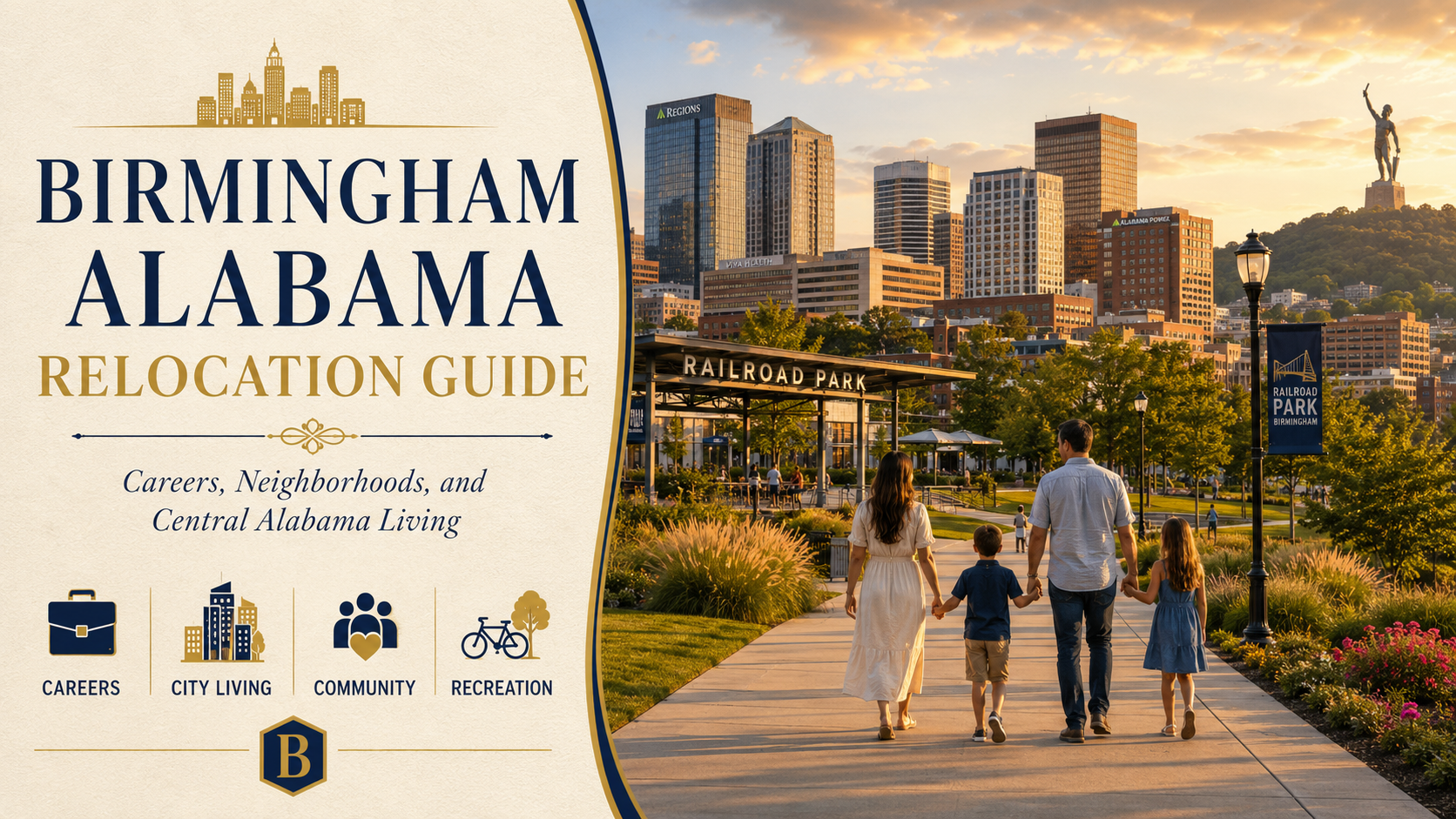
Railroad Park provides green space near downtown.
Residents can use walking paths, lawns, water features, and gathering areas. Meanwhile, its central location connects the park with downtown development and nearby entertainment.
The Birmingham Civil Rights District preserves nationally significant locations connected to the American Civil Rights Movement.
Important sites include:
These locations provide educational opportunities and important historical context.
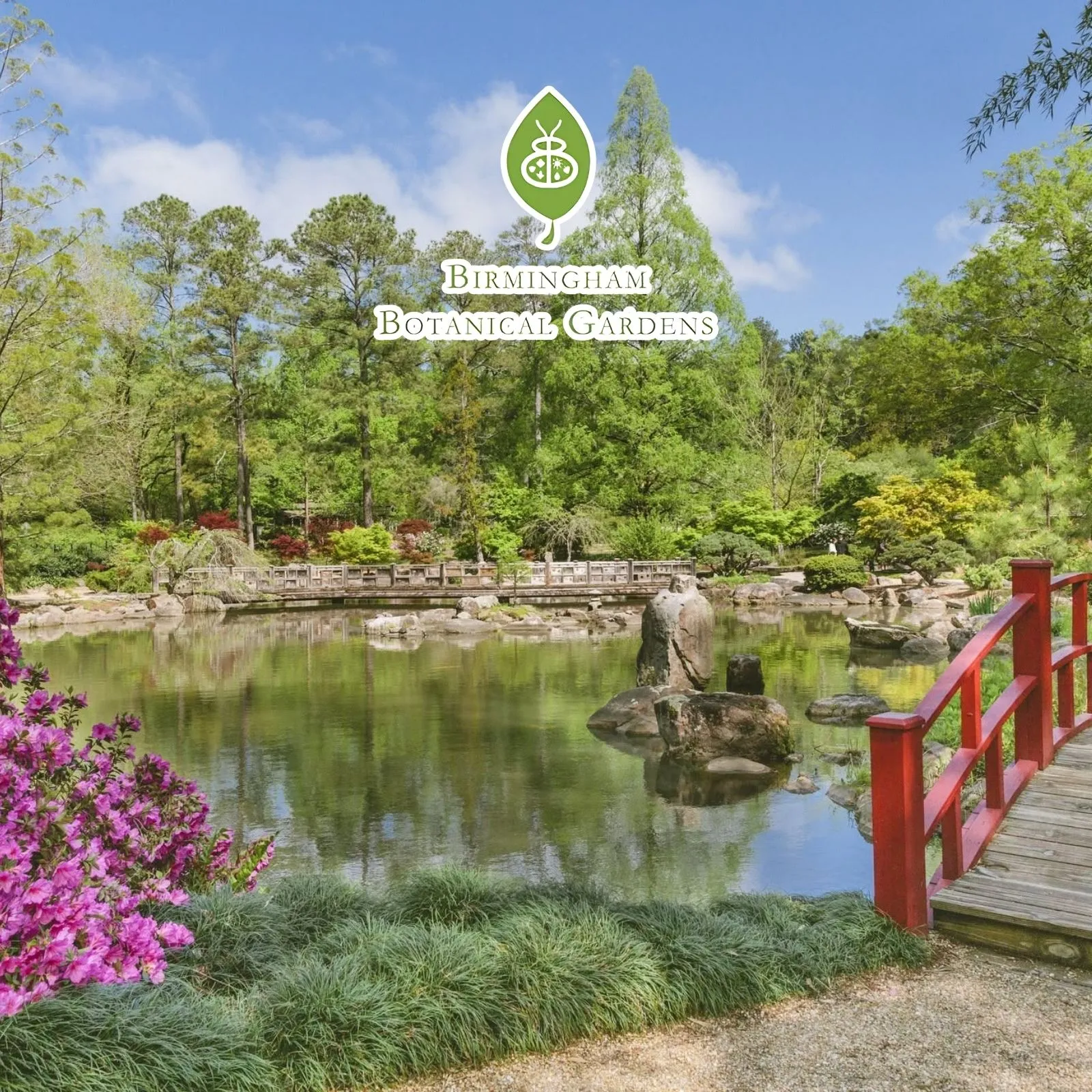
The Birmingham Botanical Gardens offers landscaped gardens, walking paths, educational programs, and seasonal displays.
Additionally, its location near Mountain Brook and Lane Park makes it easy to combine with nearby attractions.
The Birmingham Zoo provides animal exhibits, educational programs, family events, and outdoor activities.
Its central location makes it accessible from many Birmingham neighborhoods and nearby suburbs.
Birmingham’s surrounding hills and forests create many outdoor options.
Residents can enjoy:
Red Mountain Park, Ruffner Mountain, Oak Mountain State Park, and local greenways offer additional recreation.
Birmingham supports professional, college, and community sports.
Local options include:
Protective Stadium and other downtown venues also host football, concerts, and large events.
Birmingham remains primarily car-dependent.
Major routes include:
Traffic can become heavy along Highway 280, Interstate 65, and downtown interchanges. Therefore, home location can strongly affect daily commute times.
Public transit serves selected Birmingham routes and employment areas.
However, coverage and frequency remain more limited than systems in larger metropolitan cities. Most households rely on personal vehicles for work, school, and errands.
The city’s transportation department also manages street, pedestrian, safety, and mobility programs.
Birmingham-Shuttlesworth International Airport sits northeast of downtown.
Its location provides relatively convenient access from Birmingham, Homewood, Mountain Brook, Trussville, and nearby communities.
Atlanta and Nashville airports offer additional flight options. However, both require considerably longer drives.
Birmingham has a humid subtropical climate.
Summers are hot and humid, while winters are generally cool and mild. Meanwhile, spring and fall often provide comfortable outdoor weather.
Central Alabama can experience thunderstorms, tornadoes, hail, flooding, and strong winds.
Therefore, residents should follow trusted weather alerts during severe conditions. Property buyers should also review drainage and flood information for each address.
Birmingham can be a strong choice for healthcare workers, professionals, families, students, retirees, and entrepreneurs.
The city combines major employment centers with established neighborhoods, cultural attractions, and outdoor recreation. Additionally, nearby suburbs provide more housing and school options.
However, neighborhood selection remains important. Commutes, school districts, housing conditions, taxes, and amenities vary throughout the metro area.
Birmingham offers a balanced combination of career opportunities, education, historic character, and recreation.
Healthcare remains central to the economy. Meanwhile, manufacturing, logistics, finance, technology, and professional services provide additional employment choices.
For newcomers seeking opportunity within a centrally located Southern city, Birmingham deserves serious consideration.