













Hoover, Alabama combines suburban neighborhoods, major employers, shopping, parks, and convenient Birmingham access. Located south of Birmingham, the city belongs to one of Alabama’s largest metropolitan areas.
Additionally, the city continues attracting families, professionals, retirees, and business owners.
Hoover sits directly south of Birmingham in Central Alabama. Most of the city lies within Jefferson County, although southern areas extend into Shelby County.
Interstate 65 and Interstate 459 provide important regional connections. Therefore, residents can reach downtown Birmingham, nearby suburbs, and major employment districts.
Hoover is close to Vestavia Hills, Homewood, Mountain Brook, Pelham, Helena, Bessemer, Indian Springs Village, and Birmingham.
These communities provide additional housing, dining, and employment choices. However, school districts, taxes, and public services can change across municipal boundaries.
Hoover attracts professionals, families, healthcare workers, educators, and corporate employees. The city offers suburban housing while remaining connected to Birmingham’s employment centers.
Additionally, residents have access to major shopping districts, parks, schools, restaurants, and medical services. As a result, Hoover combines everyday convenience with a quieter residential atmosphere.
Hoover offers apartments, townhomes, condominiums, established houses, and newer developments. Housing costs depend on the neighborhood, property size, school zone, and community amenities.
Everyday expenses include transportation, utilities, groceries, insurance, healthcare, and property taxes. However, longer commutes and homeowners association fees may increase costs in some areas.
Hoover’s housing market includes established subdivisions, wooded hillside neighborhoods, golf communities, apartments, and master-planned developments.
Because the city covers a large area, housing styles can vary significantly. Therefore, buyers should compare commute routes, school zones, property taxes, and neighborhood restrictions.
Bluff Park is one of Hoover’s older and more established residential areas. The neighborhood includes cottages, ranch-style homes, mature trees, and hillside streets.
Additionally, residents can reach parks, local businesses, and Interstate 65. Some properties are older, so professional inspections remain important.
Riverchase is a large planned community near Interstate 65 and Riverchase Galleria. Housing includes single-family homes, townhomes, apartments, and golf-course properties.
Because of its central location, residents can quickly reach shopping and offices. However, traffic becomes busier around major commercial corridors.
Ross Bridge offers newer homes, townhomes, walking areas, and planned community amenities. Its design appeals to residents seeking a neighborhood-centered atmosphere.
Additionally, the community includes restaurants, green spaces, and nearby recreation. Housing costs may be higher because of demand and amenities.
Greystone sits in eastern Hoover and includes larger homes, golf communities, gated neighborhoods, and newer residential development.
The area offers access to U.S. Highway 280 and nearby shopping. However, Highway 280 traffic can increase commute times.
Trace Crossings includes established subdivisions, newer homes, parks, schools, and nearby commercial development.
Because of its western Hoover location, residents can access Interstate 459 and Highway 150. Additionally, the area is close to shopping and recreation.
The Inverness area includes apartments, townhomes, offices, shopping, and established neighborhoods.
Residents can reach Birmingham employment centers through Highway 280. Still, traffic along that corridor can become heavy during peak hours.
Hoover supports corporate offices, finance, insurance, education, retail, technology, and professional services.
According to the city’s 2025 employer survey, major employers include BlueCross BlueShield of Alabama, Regions Bank, Hoover Board of Education, Publix, McLeod Software, and the City of Hoover.
Hoover hosts corporate headquarters and regional operations for several large employers.
Regions Bank, BlueCross BlueShield of Alabama, McLeod Software, and other businesses maintain significant operations within the city. Therefore, residents can find careers in finance, insurance, software, administration, and customer service.
Retail remains an important part of Hoover’s economy.
Riverchase Galleria, Patton Creek, Stadium Trace Village, and other commercial areas support retail, dining, hotel, and service employment. Additionally, these districts provide everyday conveniences for residents.
Hoover includes medical offices, dental practices, rehabilitation providers, senior-care services, and professional firms.
Meanwhile, major Birmingham healthcare systems remain within commuting distance. As a result, healthcare professionals can access employment throughout the metro area.
Hoover City Schools serves much of the city. The district operates 16 schools, including ten elementary schools, one intermediate school, three middle schools, and two high schools.
Families should still confirm attendance zones before choosing a home. Some Hoover mailing addresses may fall within different school districts.
Hoover City Schools provides elementary, intermediate, middle, and high school programs.
The district also supports athletics, arts, advanced academics, career preparation, and extracurricular activities. Additionally, school registration requirements can vary by grade and enrollment year.
Hoover and nearby Birmingham suburbs offer private, religious, and independent schools.
Admissions, tuition, transportation, and grade availability differ by institution. Therefore, families should compare each school directly.
Hoover residents can reach several Birmingham-area colleges and universities.
Nearby options include:
These schools offer healthcare, business, education, technical, and professional programs.
Hoover provides access to primary care, urgent care, dentistry, specialty clinics, rehabilitation, and senior services.
Additionally, Birmingham’s larger hospitals and medical campuses remain within practical driving distance. Healthcare access can vary depending on traffic and neighborhood location.
Hoover is one of Central Alabama’s major shopping destinations.
Riverchase Galleria remains the city’s best-known retail center. Meanwhile, Patton Creek, Stadium Trace Village, Highway 280, and Highway 150 offer more stores, restaurants, and services.
Hoover’s dining scene includes Southern cooking, barbecue, international cuisine, cafés, breweries, and family restaurants.
Additionally, nearby Homewood, Birmingham, and Vestavia Hills expand local dining choices. Residents can find both national chains and independent businesses.
Hoover offers parks, trails, sports, shopping, community events, and family recreation.
The city maintains 25 parks and recreational facilities covering approximately 605 acres. Therefore, residents have many options for outdoor activity.
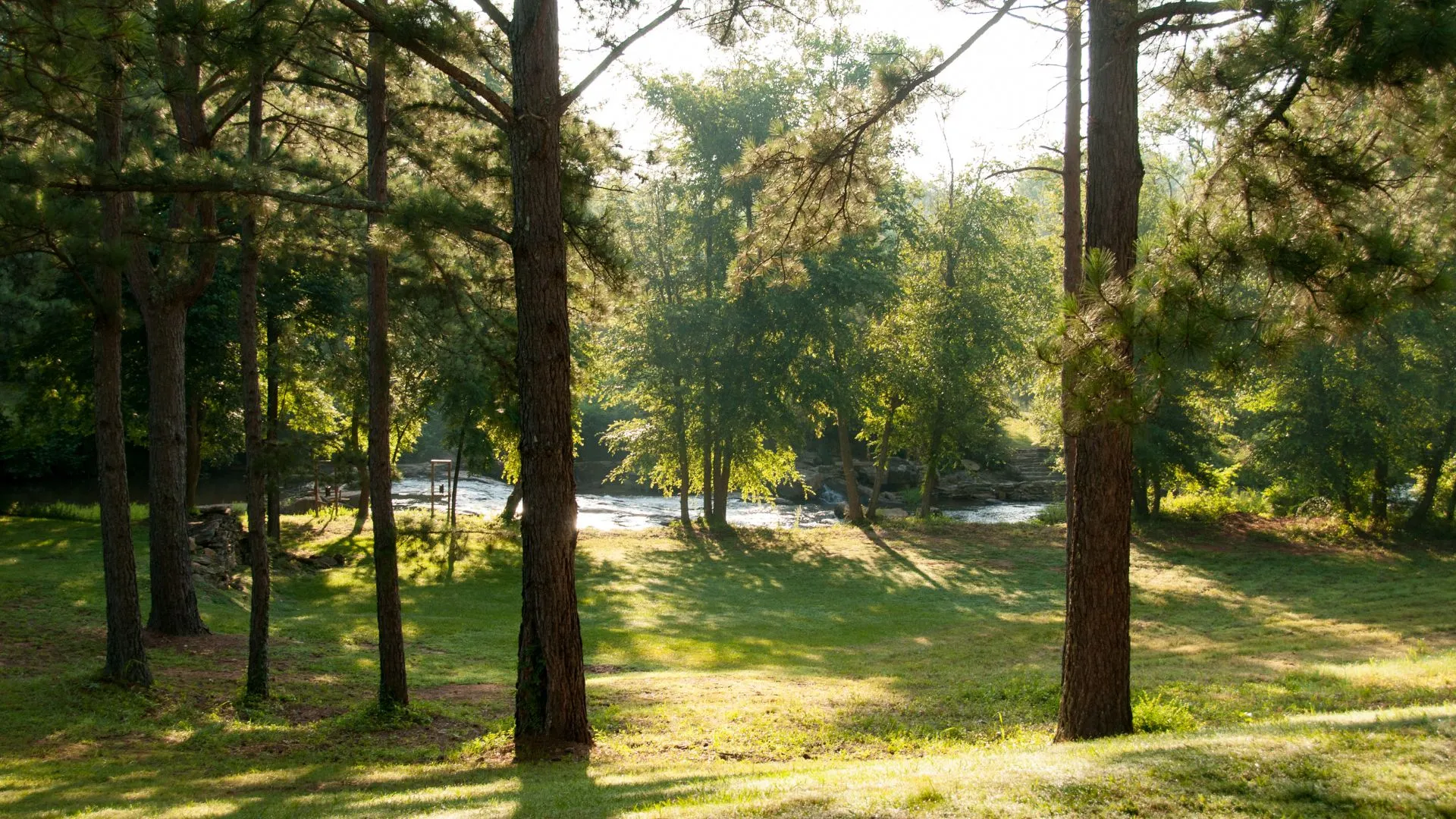
Moss Rock Preserve offers hiking, wooded trails, streams, rock formations, and boulder fields.
The preserve provides an outdoor escape near residential and commercial areas. Additionally, it is one of Hoover’s most distinctive natural attractions.
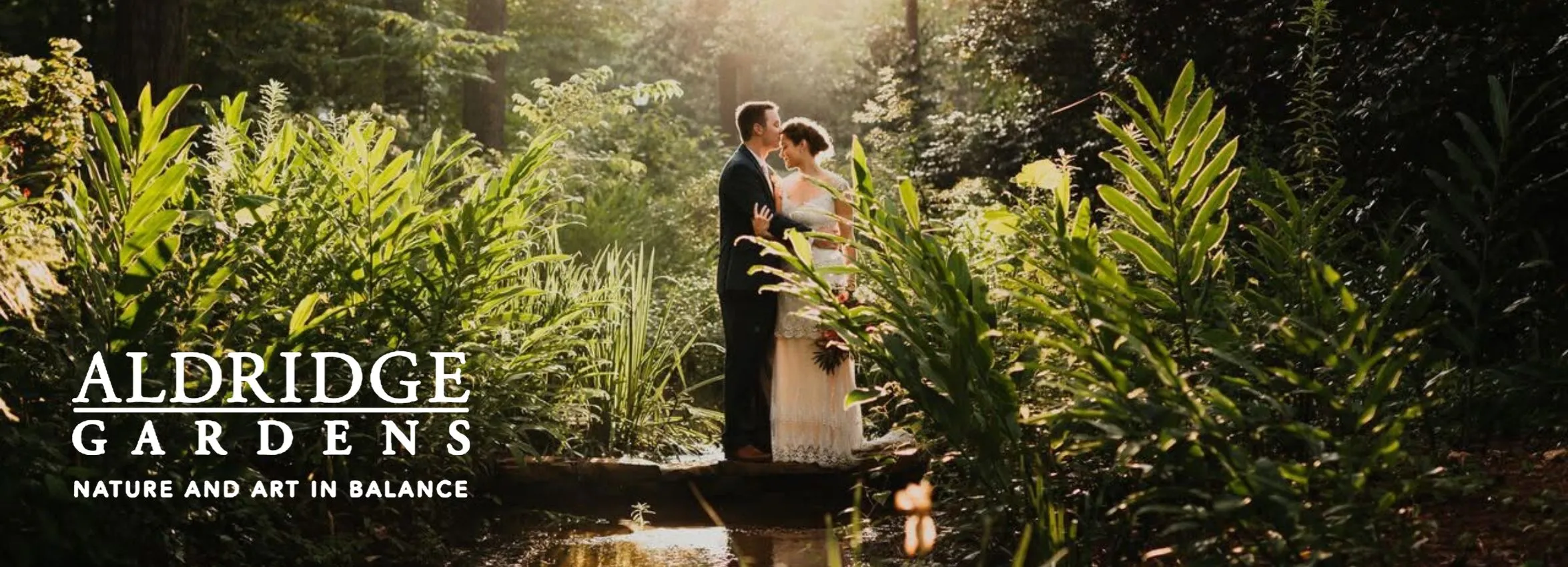
Aldridge Gardens features walking paths, gardens, a lake, public art, and seasonal programs.
Because of its peaceful setting, the property is popular for walking, photography, and community events.
Hoover’s park system includes walking paths, playgrounds, lakes, fishing areas, green spaces, and sports facilities.
Official park listings include Bluff Park Community Park, Chace Lake Park, Inverness Nature Park, Loch Haven Park, and several neighborhood parks.
The Hoover Metropolitan Complex hosts baseball, community programs, tournaments, and major sporting events.
Additionally, the Finley Center supports indoor sports, exhibitions, and gatherings. Nearby Birmingham provides concerts, professional sports, museums, and performing arts.
Hoover remains primarily car-dependent.
Major routes include:
Traffic can become heavy near Riverchase Galleria, Highway 280, Interstate 65, and major school corridors. Therefore, neighborhood location can strongly influence commute times.
Downtown Birmingham is generally within a reasonable drive from northern Hoover.
However, commuting times vary based on traffic, accidents, and road construction. Residents working downtown should test their route during peak hours.
Birmingham-Shuttlesworth International Airport is roughly 20 minutes from Hoover under favorable conditions, according to the city’s economic-development information.
Travel times may increase during busy periods. Still, the airport provides convenient access to national airline networks.
Hoover has a humid subtropical climate.
Summers are hot and humid, while winters are usually mild. Meanwhile, spring and fall often provide pleasant conditions for parks and outdoor recreation.
Central Alabama can experience thunderstorms, tornadoes, hail, heavy rain, and flash flooding.
Therefore, residents should follow trusted weather alerts. Property buyers should also review drainage and flood information for each address.
Hoover can be a strong choice for families, professionals, retirees, educators, and corporate employees.
The city combines suburban housing with shopping, parks, schools, and Birmingham access. Additionally, its major employers support opportunities in finance, insurance, education, technology, and retail.
However, neighborhood selection remains important. Commutes, school zones, housing costs, and traffic vary throughout the city.
Hoover offers a balanced combination of suburban living, employment opportunities, shopping, education, and recreation.
Its location near Birmingham expands healthcare, entertainment, and career options. Meanwhile, parks and established neighborhoods create a comfortable residential setting.
For newcomers seeking convenience within the Birmingham metro area, Hoover deserves serious consideration.